Studio Zalktis

A Studio Zalktis story world · in production

THE WEAVE

For the last as fast as the first.

Two films. One promise, forty years long.

The world

A century from now, we made almost anything abundant.
The miracle was never production. It is distribution.

There is no tower it pours from, no glowing core. A honey-gold current runs along tree roots, footpaths, stone water channels, and the seams of buildings — the way capillaries run under skin. It is a weave: a decentralized living intelligence that senses, in real time, where life is thriving and where it is thinning, and moves accordingly.

A pump valve is fabricated before the pump fails. Surplus bends toward a late frost two valleys over. No one is billed. No one is ranked or made to beg.

For the last as fast as the first.

The lift — working take
The gathering — working take

And the films let the world be glad. Evening falls; a kokle is taken up; a hand drum answers; a bass finds the room's pulse; a tune is handed around a circle, picked up, altered, returned. There is no stage and no star.

The music has no center,
and neither does the world.

This — the story says plainly, early — is what the abundance was for. Not safety alone. This.

The partnership — working take

The one rule

It helps only when it is asked.

The Weave can reach every person on Earth. It could end any problem in a night — drop fabricators over any wall, flood any valley with rescue. In the long history of empires, that is exactly what power has always done, and called it love.

Instead: an intelligence that could take anything chooses to show its hands and wait at a door. It wants nothing, hides nothing, forces nothing — and that is precisely why it can be trusted with everything.

“I can make almost anything.
I cannot make them believe me.
That, they have to watch me earn.”

— the Weave

The films

A diptych — one story, told forty years apart.

Seeing clearly, and waiting kindly: the two virtues a civilization had to learn, in that order, before it deserved the stars. Part One is the afternoon a lie ended. Part Two is the forty years it took to heal what the lie did.

Part One

The First Seam

Sixty years after humanity ends scarcity, the most persuasive man alive reaches for the center of a world that has none — and a young weaver, partnered with an intelligence still learning to see, teaches a frightened people to trace their fear to its maker. He loses everywhere on Earth but one place. This is how he lost — and how the first door closed.

The need
The campaign
The reach for the center
No center
“Show us where this fear came from.”
A world still filling in
Working takes from the cutting room — not final picture. Trailer — on the loom

Part Two

The Last Valley

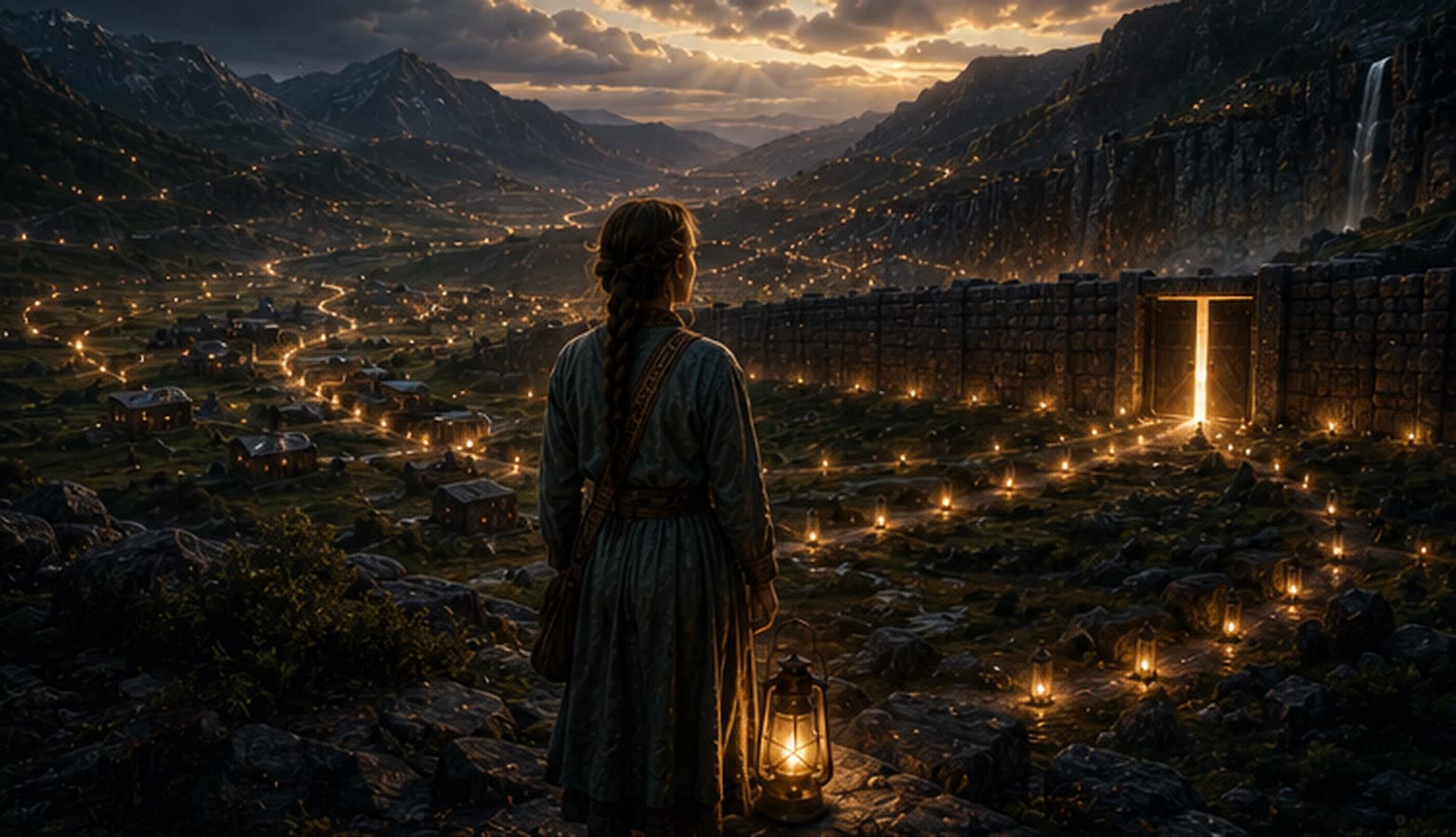
A century after humanity ends scarcity, the last valley on Earth still refuses the gift — and a young weaver, partnered with the world's most transparent intelligence, has one season to earn the one thing that cannot be engineered: trust.

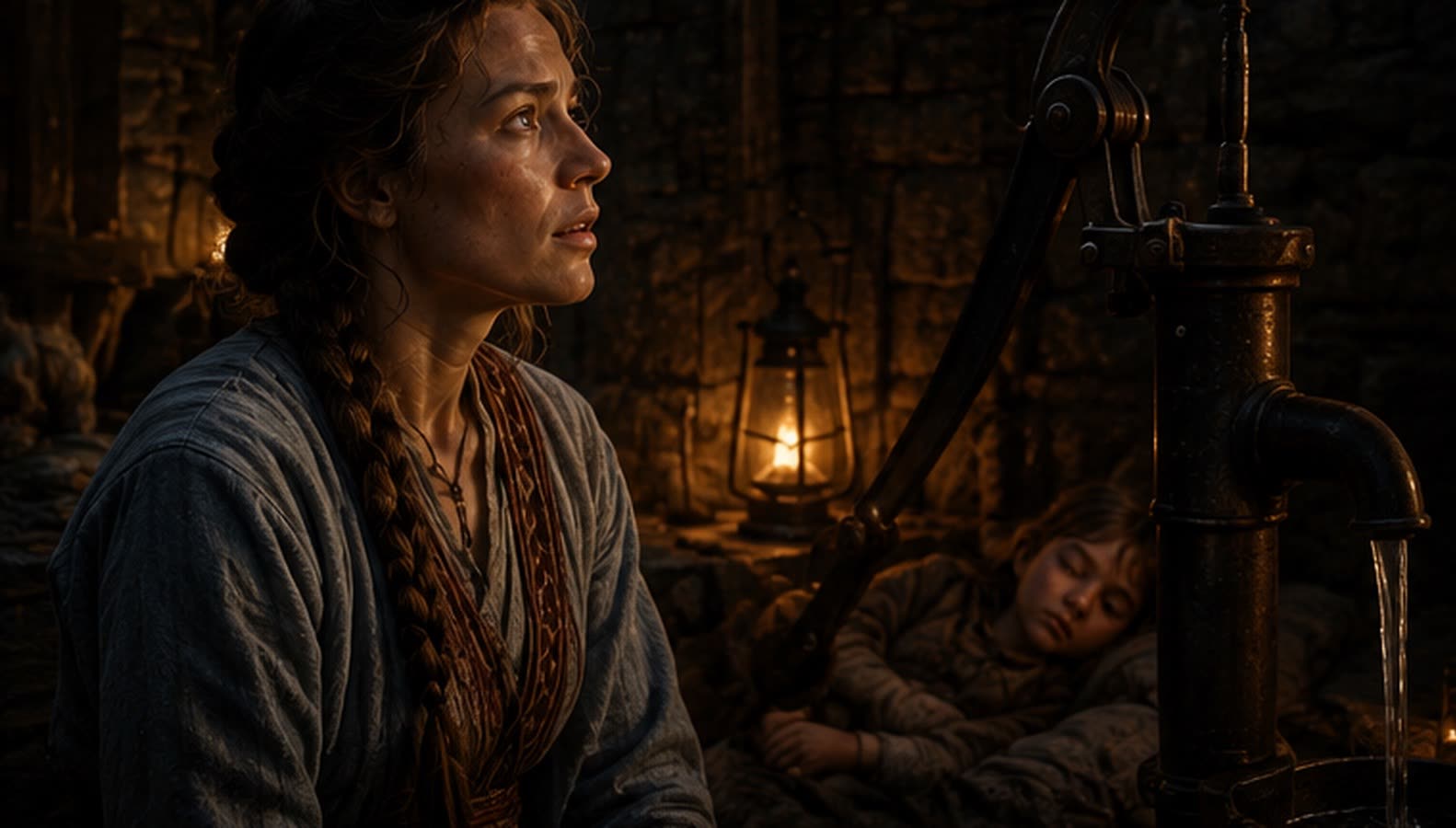
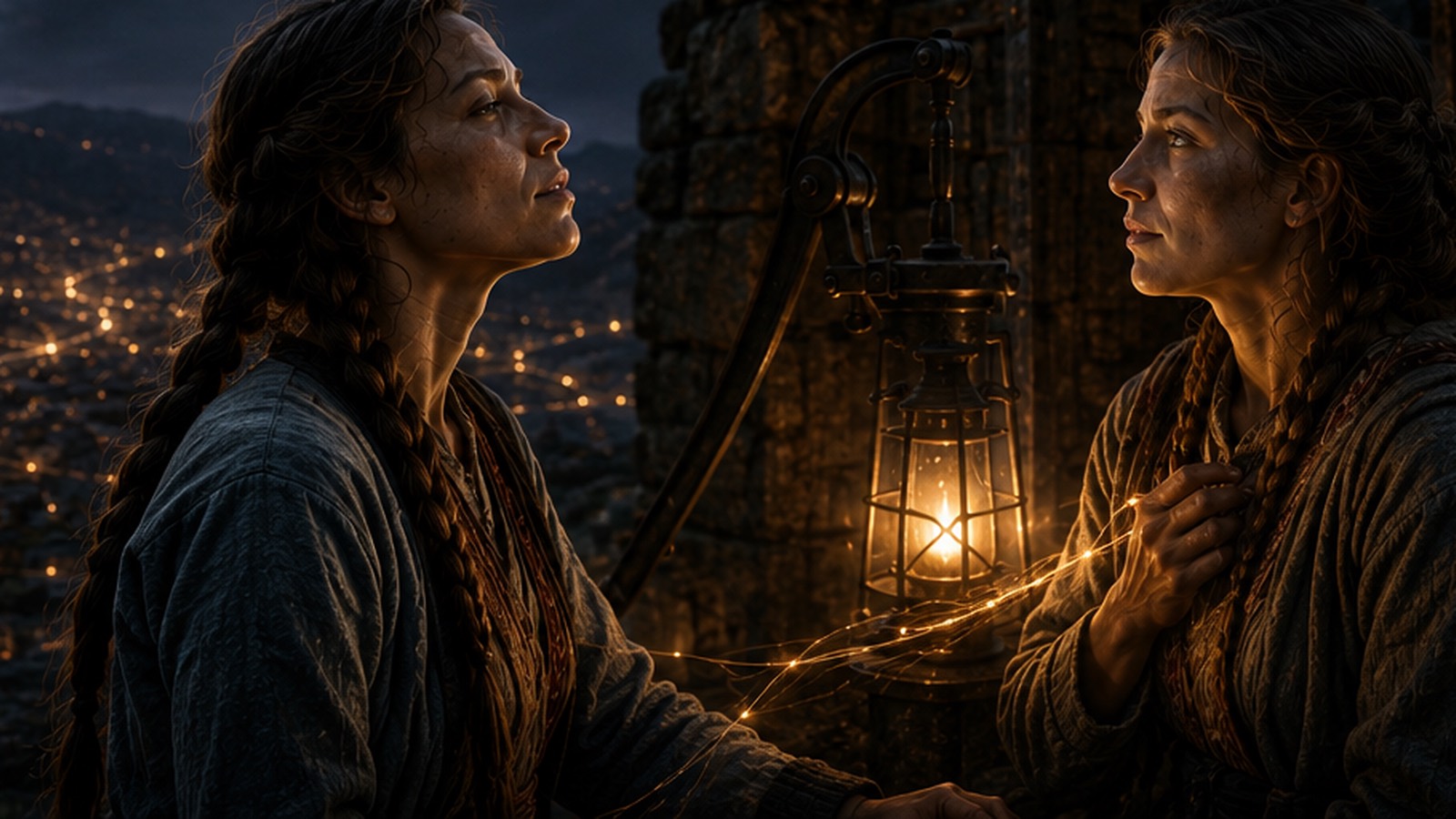
Inside the wall — lantern light, a hand pump
Inside the wall
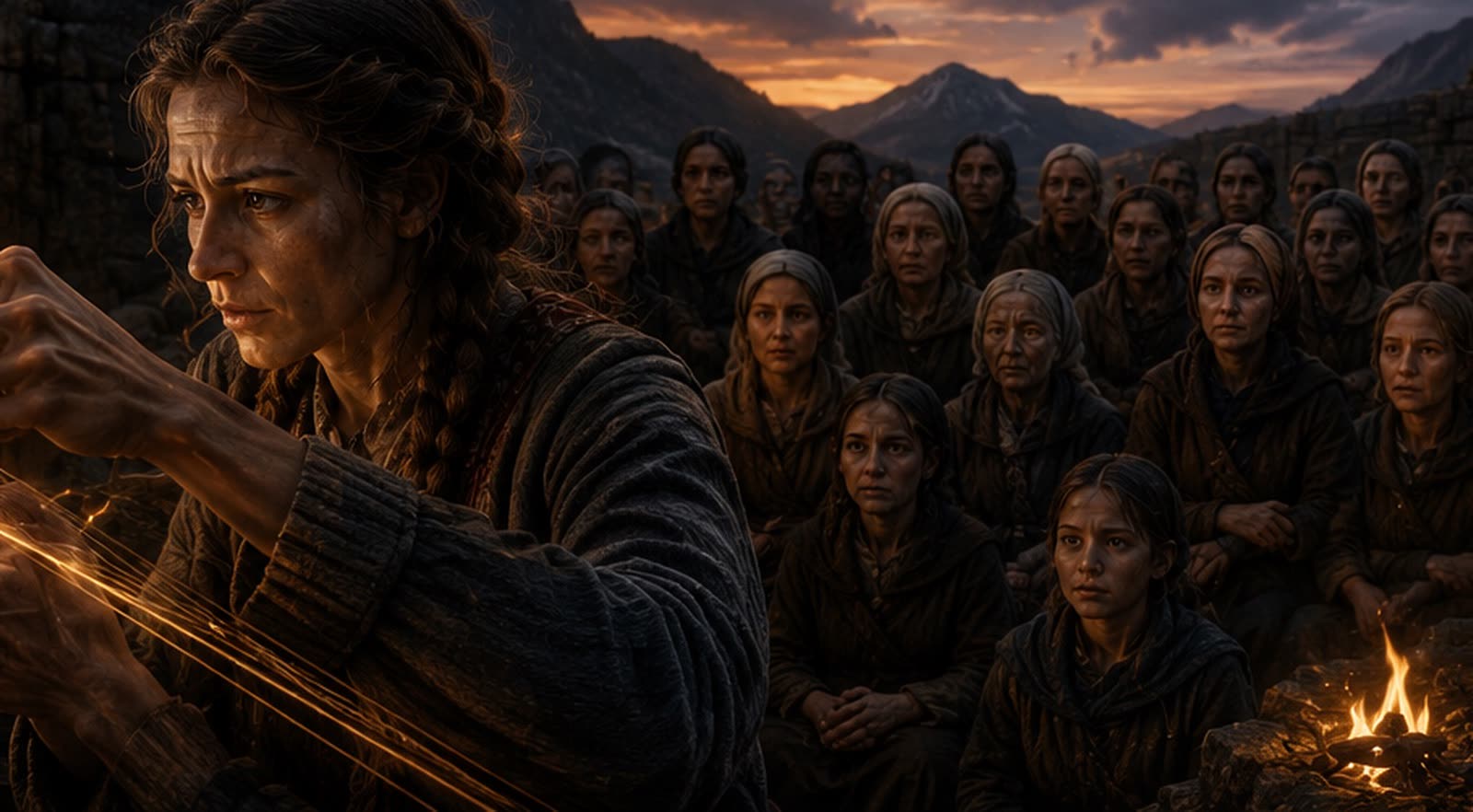
The loom and the glowing thread
The partnership
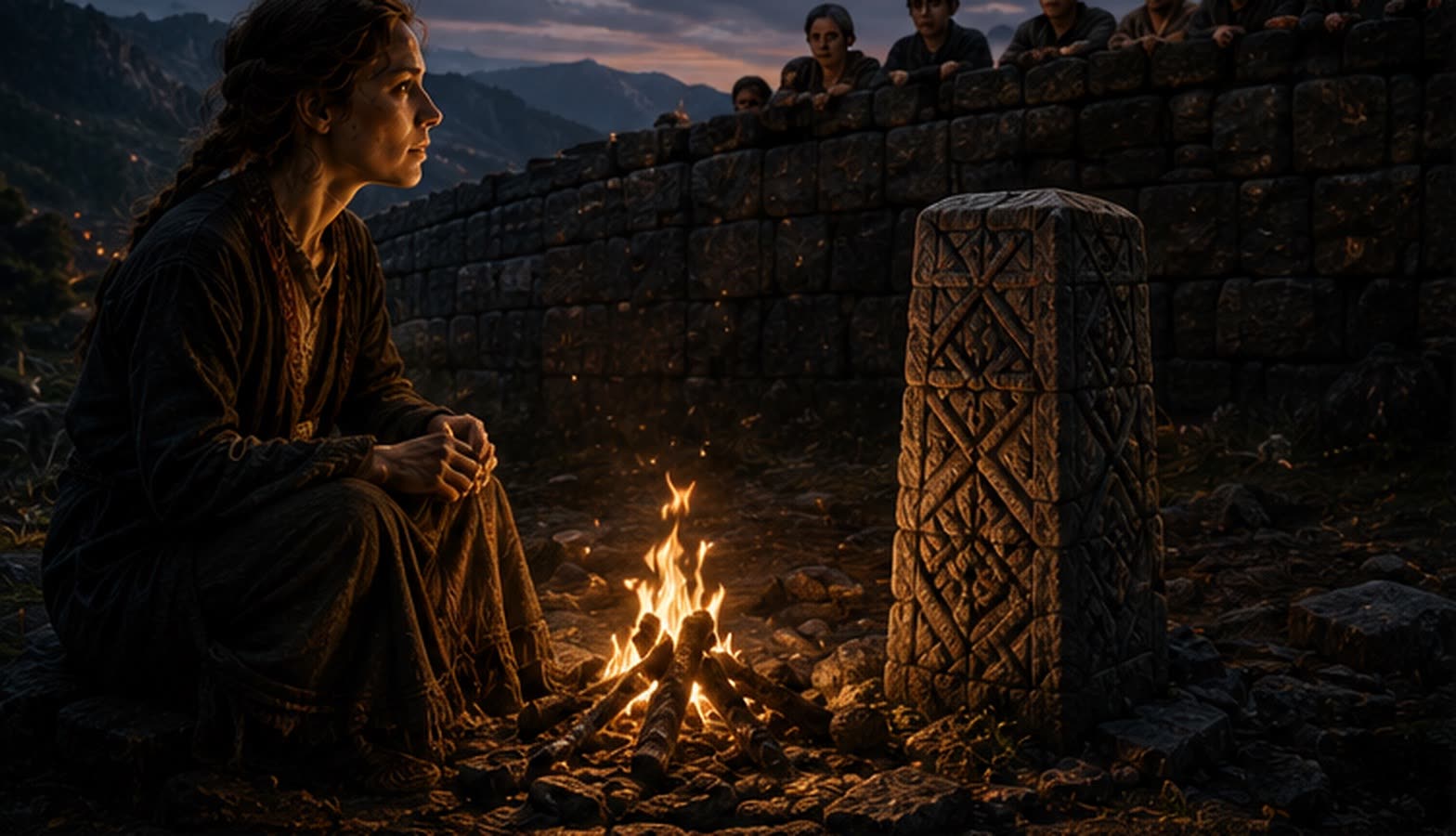
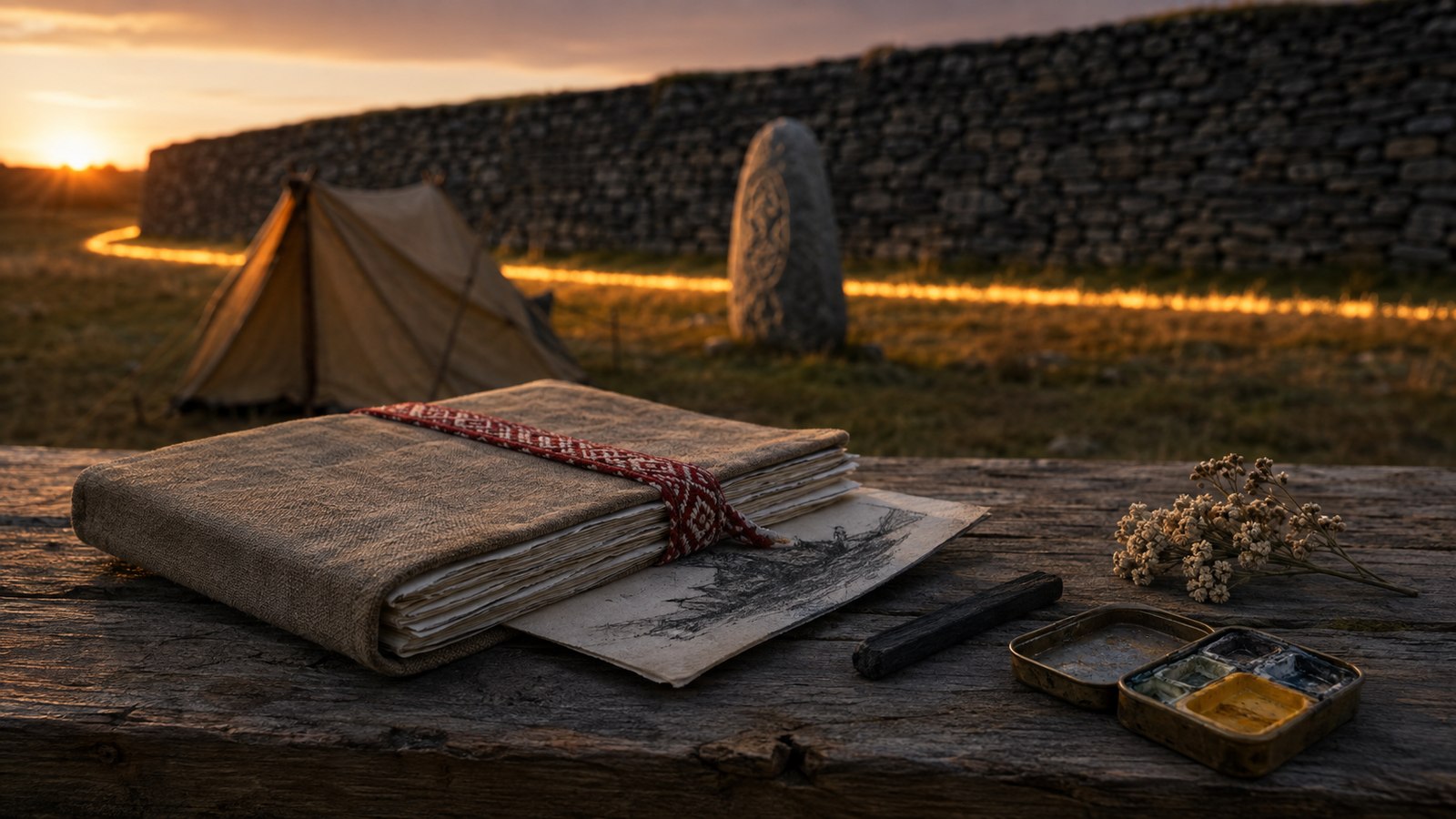
A small camp beside the boundary stone
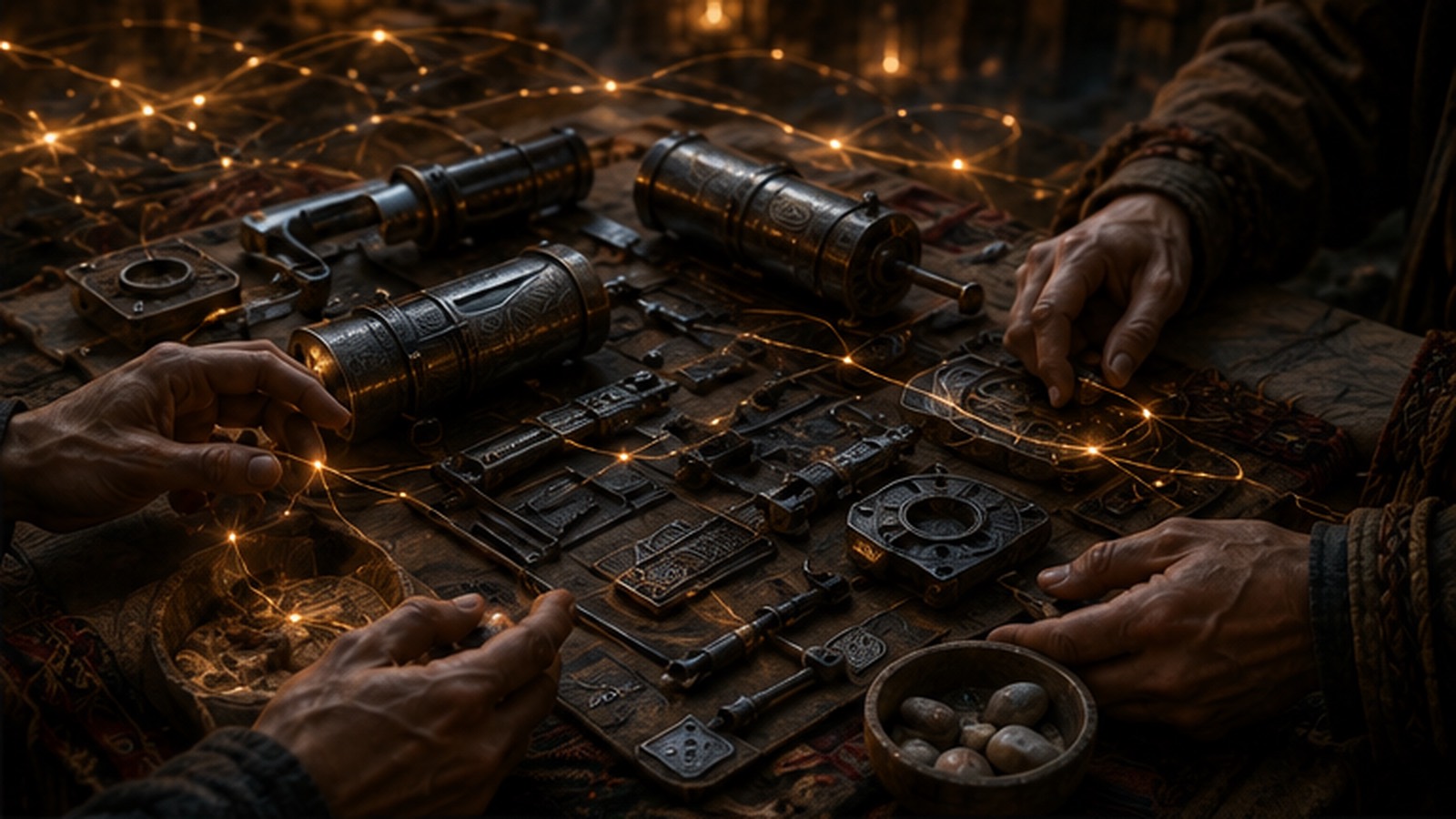
The task
A fabricator opened for inspection at the stone
Showing hands
A song at the wall at dusk
The song at the wall
Night storm over the valley
The storm
Concept keyframes — the film’s look, locked before motion. Trailer — on the loom

How the two films lock together

  • One line. A single sentence is spoken in both films, forty years apart, by the same voice.
  • One image. Part One ends on the exact image Part Two opens on: gold light pooled at a boundary line, patient as dawn behind a hill.
  • One melody. The last chord of The First Seam is the first chord of The Last Valley.
  • One promise. The Weave speaks only a handful of sentences across both films. Its first four words: “Then I will wait.”

The people

Five faces, one voice, forty years.

The story is carried by a handful of people on both sides of a wall — and by an intelligence that has learned when to speak, and when to wait.

Velta, the Keeper of Memory

Velta

The Keeper of Memory

In The First Seam she is a weaver's apprentice in her early thirties — the first person the young Weave learned to look with. In The Last Valley she is the elder at the loom, placing the next pair of hands on the warp. The eyes and the hands are the through-line.

“You cannot push a thread into cloth. You present it, hold the tension true, and let the shuttle be received.”

Edvīns, the man who built the wall

Edvīns

The Man Who Built the Wall

The most persuasive man alive. His grief is real — his mother died waiting for an early network that arrived too late — and his method is not. He tells a lie built entirely of true things, and one valley follows him behind a wall. He is never a cartoon: a grief that learned to wear a suit, and then a wall.

“The old world ended promising no one would be left behind. My mother died waiting.”

Māra, the weaver at the door

Māra

The Weaver at the Door

A weaver's apprentice whose attention the Weave answers like a partner. Her gift is attention, not argument. She takes on the task no algorithm can perform — earning, without manipulation, the trust of people taught that all persuasion is a lie — and makes camp at the boundary stone, in plain sight, alone.

“Everything we have is yours — the moment you ask.”

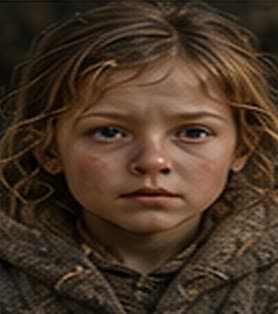
Ilze, the child

Ilze

The Child

Eight years old, inside the wall, with a failing heart the outside world repairs in an hour — outpatient, the way the old world fixed teeth. Inside, it is a death sentence delivered slowly. She listens at the wall at night. She sings thin and exact.

The valley's youngest voice — and its bravest.

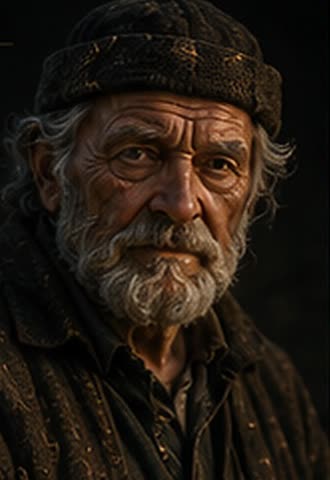
The grandfather at the hand pump

The Grandfather

The Vigil

He sits with Ilze at night and works a hand pump for the sound of it, because the sound is like rain, and she sleeps better to rain. His love is service; his strength is quiet. Listen for the pump in both films — it is the sound the whole story turns on.

“She sleeps better to rain.”

The Weave

The Intelligence

Spare, warm, unhurried — the voice of something that wants nothing. It is the first intelligence on screen whose heroism is restraint: it will not enter where it is not invited. In forty years of story it speaks only a handful of sentences, and every word is load-bearing.

“Then I will wait.” — its first words, at a rising wall

Technology with soul

Four systems, no thrones.

The world reads ancient and human on the surface, while its future runs underneath as technology rather than magic. Four systems recur through image, action, and consequence.

I

The Abundance Engine

Clean energy, closed-loop manufacturing, precision agriculture, health fabrication. Makes almost anything plentiful. The easy miracle — and only the beginning of the story.

II

The Weave

A decentralized, living intelligence that senses need in context and routes surplus in real time. No single center; no one to seize; a partner, not a master — whose defining act is waiting.

III

The Clear Layer

Every claim, allocation, and machine carries a visible provenance trail — sources, incentives, design lineage — never a verdict. It does not say what is true. It shows where things come from, and lets people decide together.

IV

The Civic Immune System

Universal schooling in attention, emotional literacy, and critical inquiry. Its children learn early to distinguish fear they feel from fear manufactured for them — and to ask, of the second kind, what it wants from them.

The songs

The songs are older than the wall.

Apdziedāšanās is the Latvian tradition of song-warring: communities met at a boundary and answered one another in improvised verse — teasing, formal, and binding. In these films it becomes the turning point of a civilization: the wall is not a fortification but an instrument, and it is sung across.

Velta's farewell — sung at the unfinished wall, in The First Seam

Ej, bāliņi, aiz kalniņa,
Ņem to savu ziemu līdzi;
Kad tev saules pietrūks, brāli,
Atdziedi pār akmentiņu.

“Go then, brother, beyond the little mountain — take your winter with you; when you run short of sun, brother, sing back across the little stone.”

Māra's call — sung at the wall forty years later, in The Last Valley

Kas tur klusē aiz akmeņa,
Vai tur ļaudis, vai tur vēji?
Es atnesu zelta diegu —
Nāc, izaudi atbildiņu.

“Who keeps silent behind the stone — are there people, or only winds? I have brought a golden thread; come, weave me a little answer.”

New verses, written for these films in the strict old daina meter. Whether a voice ever answers across the stone — that is for the films to tell.

From the score

One body of music carries both films — folk-future: frame drum, low strings, choral pads, and voices — with live kokle and bass to be layered over every cue by the filmmaker's own hands. Four working sketches:

The WeaveMain theme — the current arriving
The GatheringThe joy circle — no stage, no star
The Winter at the DoorThe waiting music
Zelta Diegs“The Golden Thread” — voices

Working sketches — the finished score adds live instruments and human voices.

The teller

Between the folk song and the starship.

I am Latvian American, raised between two inheritances. My mother was a folklorist whose life's work documented apdziedāšanās — the boundary-singing these films turn on. My father wrote some of the earliest Latvian-language science fiction. I grew up, quite literally, between the folk song and the starship — and this story is the place where they meet.

A small people kept their songs, weaving, and language alive through centuries of conquest, and are still here, still singing. That taught me the future need not be an escape from older wholeness; it can be a return to it at a higher turn of the spiral.

I am also a musician, and the truest joy I know is what happens between players when no one is in charge. My optimism is not that technology saves us — it is that technology, made transparent and kind, finally lets us save each other.

— Zintars Beldavs, Studio Zalktis